
Public
The evolution of gambling A journey through time
The evolution of gambling A journey through time
The Ancient Roots of Gambling
The history of gambling can be traced back thousands of years, with evidence suggesting that the practice emerged in ancient civilizations. The earliest forms of gambling were simple activities, such as betting on the outcomes of games and sporting events. Archaeological findings reveal that the Chinese, Egyptians, and Greeks engaged in various games of chance, utilizing rudimentary dice and betting systems. For those interested in modern games, exploring https://plinko-play.ca/ might be worth considering.
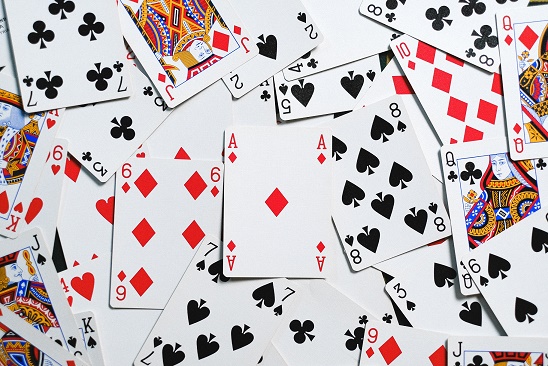
In ancient Rome, gambling was not only a popular pastime but also regulated by laws. The Romans introduced a variety of games that included betting on gladiatorial contests and chariot races. As societies evolved, gambling became more organized, leading to the establishment of formalized betting systems and the first recorded games of chance.
The Rise of Modern Gambling
The 17th and 18th centuries marked a significant turning point in the evolution of gambling with the emergence of casinos. The first official casino, the Casino di Venezia, opened its doors in Italy in 1638, paving the way for others across Europe. This era saw the introduction of popular card games and roulette, appealing to the growing middle class who sought leisure activities.
By the 19th century, gambling had spread to the Americas, where it quickly became ingrained in popular culture. The Wild West became synonymous with poker, and the establishment of Las Vegas in the 20th century transformed gambling into a major entertainment industry. Casinos flourished, offering luxurious experiences alongside games of chance, with the fast-paced atmosphere attracting many to the plinko game online.
The Impact of Technology on Gambling
The late 20th century ushered in a technological revolution that dramatically changed the landscape of gambling. The introduction of slot machines in casinos revolutionized how games were played, making gambling more accessible to the masses. These machines became a staple in casinos, attracting players with their bright lights and sounds.
With the advent of the internet in the 1990s, online gambling emerged, creating an entirely new platform for players. Online casinos allowed individuals to gamble from the comfort of their homes, offering a wide variety of games including slots, poker, and even live dealer options. This digital transformation has drastically reshaped the gambling experience, making it more convenient and varied than ever before, especially for fans of online plinko.
The Popularity of Online Gambling
Today, online gambling is a multi-billion-dollar industry that continues to grow exponentially. The rise of mobile technology has further enhanced this trend, enabling players to access their favorite games on smartphones and tablets. Online platforms offer an expansive range of gambling experiences, including live games and innovative formats that captivate people who love plinko.
As players increasingly seek entertainment options that fit their busy lifestyles, online gambling platforms provide seamless, engaging experiences. The variety of games and the ability to gamble anytime, anywhere have attracted a diverse audience, leading to the evolution of the gambling culture we see today.

Exploring the Future of Gambling
As we look ahead, the future of gambling appears to be intertwined with advancements in technology and changing consumer preferences. Innovations such as virtual reality and blockchain technology are on the horizon, promising to enhance player experiences and increase the transparency of gambling transactions.
The evolving landscape also raises questions about regulation and responsible gambling. As the industry grows, it will be essential for stakeholders to address these challenges to ensure a safe and enjoyable experience for all players. Platforms that embrace technological advancements while prioritizing user safety are likely to thrive in this dynamic environment.
